Sodexo's Food Waste Reduction Strategy: A Case Study in Scale
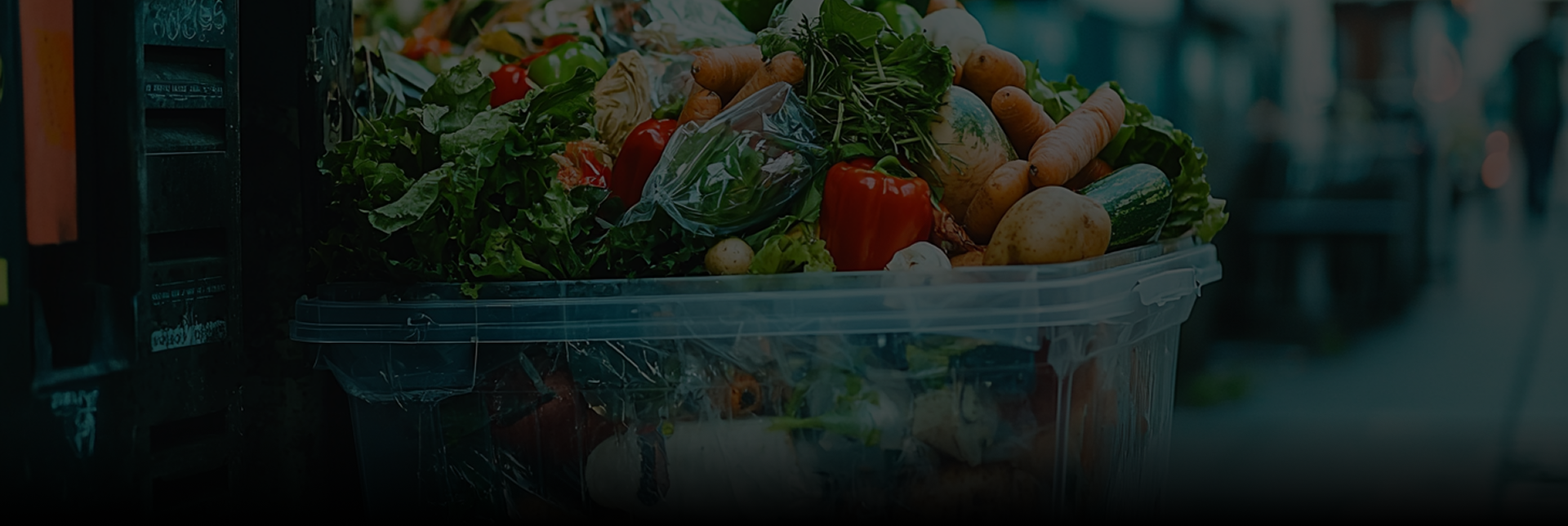
How one of the world's largest food service operators is tackling food waste with Zipli. Lessons for everyone.
Sodexo operates in 53 countries. Hundreds of thousands of meal covers per day. Schools, hospitals, corporate cafeterias, sports stadia, remote mining camps. The scale is enormous—and so is the complexity of reducing food waste across that footprint.
In Helsinki, Sodexo faced the same challenges every multi-site operator faces. Plus a few that only come at scale.
Sodexo's Challenges: Multi-Site Operations
When you run dozens of sites in one region, food waste reduction isn't a kitchen problem. It's a coordination problem.
Data Tracking
Each site had different systems. Some tracked waste on paper. Some didn't track at all. Aggregating data for reporting was a manual nightmare. ESG disclosures needed numbers. They didn't have them.
Coordination
Charities can't call 40 different sites to ask what's available today. Sites can't call 10 different charities to find someone who wants tonight's surplus. The math doesn't work. Without a central system, donation stays ad hoc and small-scale.
Consistency
What works at one site might not work at another. School cafeteria surplus looks different from hospital surplus. Corporate lunch surplus differs from stadium event surplus. A one-size-fits-all approach fails. But 40 different approaches are impossible to manage.
How Sodexo Uses Zipli
Sodexo's Helsinki operations use Zipli as the backbone for food redistribution. Here's what that looks like in practice:
- Single platform: All sites post surplus to one system. Charities see what's available across the region in real time.
- Digitized workflows: No phone trees. No spreadsheets. Post surplus. Match. Coordinate pickup. Document. All in one place.
- City-wide visibility: Helsinki's administration sees aggregated donation data. Sodexo sees it. Charities see it. Everyone works from the same numbers.
- Automatic matching: Surplus gets matched to charities based on location, volume, and timing. Manual coordination drops to near zero.
The result isn't just less waste. It's less administrative burden. Site managers spend minutes, not hours, on donation coordination.
Measurable Results
The Helsinki partnership with Sodexo, the city, and local charities has produced concrete outcomes:
- €500,000 annual savings across the partnership—from reduced disposal costs, optimized purchasing, and donated food value
- Digitized workflows replaced manual coordination. Phone calls and spreadsheets are gone.
- Real-time coordination between dozens of sites and multiple charities. Pickup schedules are predictable. No-shows drop.
- ESG-ready reporting for Sodexo's sustainability disclosures. Actual data, not estimates.
The €500K figure isn't from one intervention. It's the compound effect of visibility, coordination, and scale. When you see the data, you act on it. When coordination is easy, you do more of it.
See How It Works at Scale
Get a demo of the platform Sodexo and Helsinki use to coordinate food waste reduction across dozens of sites.
Schedule DemoLessons for Other Operators
You don't need Sodexo's scale to apply these lessons. The principles work at any size:
1. Centralize Coordination
Even with 3 sites, a single platform beats 3 separate processes. One place to post surplus. One place for charities to look. One place for reporting. Fragmentation kills efficiency.
2. Digitize Early
Manual processes don't scale. If you're using spreadsheets and phone calls, you'll hit a ceiling fast. Digital coordination scales from 1 site to 100. The upfront effort pays off.
3. Make Visibility Default
When waste data is visible, people act on it. When it's buried in logs and estimates, it gets ignored. Build reporting into the workflow. Don't make it a separate task.
4. Partner with the City
Helsinki didn't just allow the partnership—they enabled it. City coordination creates alignment between operators, charities, and policy goals. If your city has food waste targets, they're a potential partner.
5. Start with Donation
Donation is the fastest path to visibility. You identify surplus. You coordinate. You document. The data you collect from donation feeds into forecasting and purchasing. It's the foundation for everything else.
Scalable Solutions
The Sodexo-Helsinki model proves that food waste reduction scales. The same platform that works for a single restaurant works for 50 sites. The difference is coordination—and that's exactly what technology solves.
Key ingredients:
- One system for all stakeholders
- Low-friction workflows for site staff
- Automatic matching between supply and demand
- Built-in reporting for compliance and ESG
- City-level coordination when available
You don't need to be Sodexo to benefit. A hotel group with 5 properties. A school district with 12 cafeterias. A corporate caterer with 8 client sites. The same logic applies. Centralize. Digitize. Make visibility default.
The Bottom Line
Sodexo's food waste reduction in Helsinki isn't a pilot. It's operational. Dozens of sites. Multiple charities. €500K in savings. Digitized workflows. Real data.
The lessons transfer. Scale doesn't require a different strategy—it requires a strategy that scales. Central coordination. Digital tools. Partnership with the city. Consistent execution.
Whether you run one site or fifty, the path is the same. Start with coordination. Build from there.