How to Donate Surplus Food from Your Restaurant (Without the Headache)
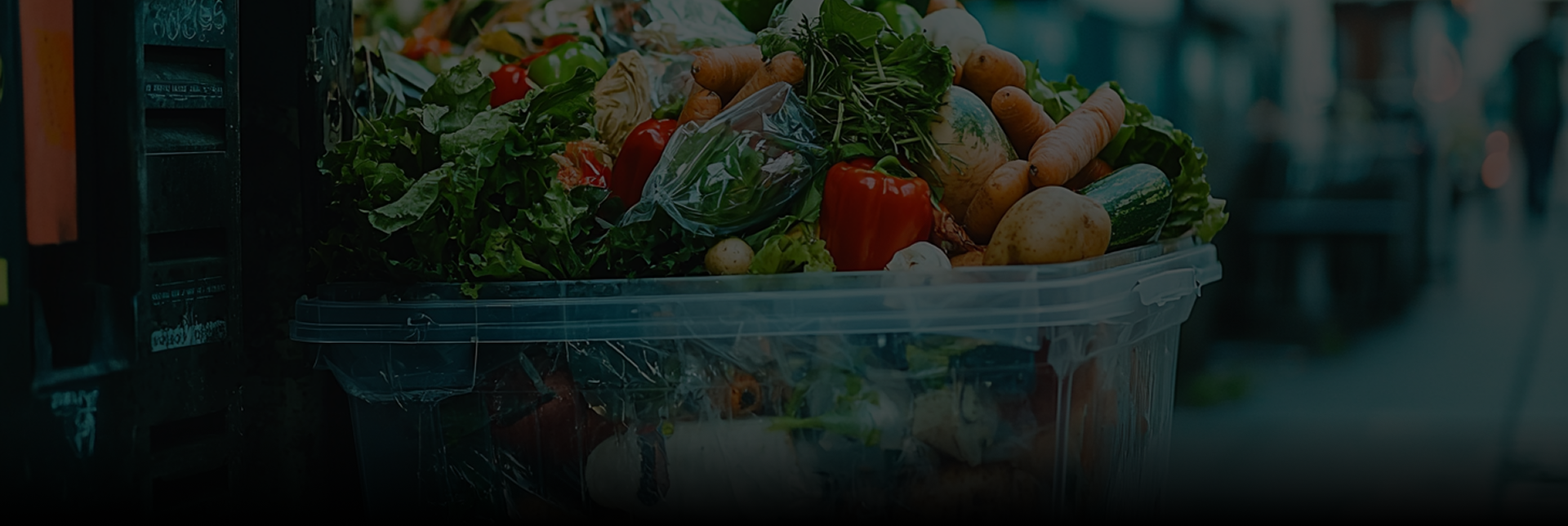
Your restaurant throws away edible food every day. Here's a step-by-step guide to donating it instead.
Most restaurants want to donate surplus food. It's the right thing to do. It reduces waste. Customers like it. The problem is figuring out how.
Food donation feels complicated. There are liability concerns, food safety regulations, logistics headaches, and the constant question: "Who even wants this food?"
The good news? It's simpler than you think. Here's exactly how to do it.
Step 1: Understand What You Can Donate
Almost everything prepared in your kitchen can be donated if it meets basic food safety standards:
- Prepared meals: Excess dishes, buffet items, catering surplus
- Fresh ingredients: Produce, dairy, protein approaching sell-by dates
- Baked goods: Bread, pastries, desserts from the day
- Packaged items: Unopened ingredients, sealed products
What you can't donate:
- Food that's been served to customers
- Items that have sat at unsafe temperatures for extended periods
- Expired or spoiled food
- Anything you wouldn't serve to a paying customer
The rule is simple: if you'd serve it, you can donate it.
Step 2: Know Your Legal Protections
The #1 concern restaurants have about donating food is liability. What if someone gets sick?
In Finland (and most EU countries), Good Samaritan laws protect food donors acting in good faith. As long as you:
- Follow basic food safety practices
- Don't knowingly donate unsafe food
- Provide food fit for consumption
...you're legally protected from liability claims related to donated food.
This isn't a loophole. It's intentional policy designed to encourage food donation. Legislators recognized that liability fears were preventing donations, so they removed that barrier.
Step 3: Find Recipients
You need to connect with organizations that can use your surplus food. In Finland, key partners include:
- HelsinkiMissio: Serves meals to people experiencing homelessness and food insecurity
- Veikko ja Lahja Hurstin Laupeudentyö: Distributes food parcels to families in need
- Local food banks: Most cities have regional food banks that coordinate distribution
- Shelters and community kitchens: Direct service organizations serving meals
Cold outreach works, but it's inefficient. You'll spend weeks emailing charities, explaining what you have, coordinating schedules. Most restaurants give up at this stage.
The better approach: use a donation platform that automatically matches you with recipients based on what you're donating and where you are.
Connect with Charities in 60 Seconds
Zipli automatically matches your surplus food with charities that need it. No phone calls, no coordination headaches.
Start DonatingStep 4: Handle Food Safety Properly
Finnish food safety regulations (Evira guidelines) require you to maintain food safety standards through donation:
- Temperature control: Hot food stays hot (>60°C), cold food stays cold (<5°C)
- Time limits: Food shouldn't sit at room temperature for extended periods
- Documentation: Keep records of what you donated and when
- Allergen information: Provide allergen details for donated items
- Proper packaging: Use food-safe containers and seal properly
This sounds bureaucratic, but in practice it's straightforward. You're already following these practices for customer service—just extend them to donated food.
Step 5: Set Up Logistics
You have two options for getting food to recipients:
Option A: Recipient Pickup
The charity sends someone to pick up food from your restaurant. This is the simplest option for you—you just need to have food ready at an agreed time.
Option B: Delivery
You (or a logistics partner) deliver food to the recipient. This works better for time-sensitive donations or when charities lack transportation capacity.
Most restaurants start with Option A. As volumes grow, you might explore delivery partnerships or volunteer drivers.
Step 6: Build a Routine
One-off donations are fine, but regular donation schedules work better for everyone:
- Charities can plan meal service around expected donations
- Your staff develops a donation workflow that becomes automatic
- You capture more surplus instead of letting small amounts slip through
Common schedules:
- Daily evening pickup: Capture end-of-day surplus after dinner service
- Weekly ingredient donations: Donate produce and ingredients approaching sell-by dates
- Event-based: Donate buffet surplus after catering events
Step 7: Track Your Impact
Document what you're donating. This serves three purposes:
- Tax deductions: Food donations may be tax-deductible (consult your accountant)
- ESG reporting: Track food waste reduction for sustainability reports
- Marketing: Share your impact with customers who care about sustainability
Track at minimum:
- Kilos donated per month
- Number of meals provided
- CO2 emissions avoided
- Cost savings (food purchase cost + disposal fees)
Common Obstacles (and How to Fix Them)
"We don't have enough surplus to bother"
You probably have more than you think. Most restaurants underestimate waste by 30-50%. Track for one week and measure everything. You'll be surprised.
"Our staff is too busy"
Donation should take less than 5 minutes per day. If it's taking longer, your process is too complicated. Use technology to eliminate manual coordination.
"We tried once and it didn't work out"
One failed attempt doesn't mean the system is broken. Maybe that specific charity wasn't a good match. Try again with a different partner or use a platform that matches you automatically.
"Food safety regulations make it too complicated"
The regulations are simpler than they seem. If you're maintaining proper food safety for customers (which you are), you're 90% of the way there for donations.
The Bottom Line
Food donation doesn't have to be complicated. The basics are:
- Identify safe, edible surplus
- Find recipients who need it
- Maintain food safety standards
- Coordinate pickup or delivery
- Document your impact
Most restaurants overthink this. Start simple. Donate once. See how it goes. Iterate from there.
You're already throwing away food. Giving it to people who need it takes the same amount of time and costs you nothing extra. The only difference is where the food ends up.
Make the switch.